
Embark on a journey to discover Northern Home Improvement Ideas for Energy Efficiency, where we delve into the essential upgrades and strategies to make your home more sustainable and cost-effective in colder regions. From insulation to heating systems, learn how to optimize energy usage and minimize environmental impact.
Explore the practical tips and expert advice that can transform your northern home into an energy-efficient haven, ensuring comfort and savings throughout the seasons.
Northern Home Improvement Ideas for Energy Efficiency
Energy efficiency is crucial for northern homes to reduce energy consumption, lower utility bills, and minimize environmental impact. In colder climates, homes require more heating, making it essential to implement energy-saving upgrades.
Common Energy Efficiency Challenges in Northern Climates
- Inadequate insulation leading to heat loss
- Drafty windows and doors
- Inefficient heating systems
- Lack of air sealing causing energy waste
Examples of Energy-Efficient Upgrades for Northern Homes
- Upgrade to energy-efficient windows and doors
- Install proper insulation in walls, attic, and basement
- Replace old heating systems with high-efficiency models
- Seal air leaks around doors, windows, and ductwork
Potential Cost Savings with Energy-Efficient Improvements
By investing in energy-efficient upgrades, homeowners in northern climates can significantly reduce their energy bills. For example, proper insulation and air sealing can lead to savings of up to 20% on heating costs. Upgrading to energy-efficient appliances and lighting can further contribute to long-term cost savings.
Insulation Upgrades
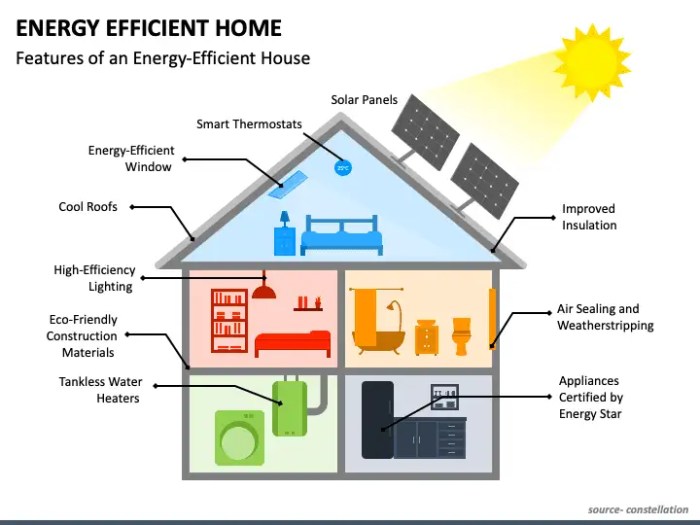
Proper insulation is crucial for northern homes to maintain a comfortable indoor temperature, reduce energy costs, and increase overall energy efficiency. In cold climates, effective insulation helps to prevent heat loss during the winter months and keeps the interior cooler in the summer.
Types of Insulation Materials
- Fiberglass Insulation: Affordable and widely used, fiberglass insulation comes in batts or rolls and is easy to install. However, it may not be as effective in extremely cold temperatures.
- Spray Foam Insulation: Offers superior insulation by expanding to fill gaps and cracks. It provides a higher R-value than fiberglass but can be more expensive.
- Cellulose Insulation: Made from recycled paper or other natural fibers, cellulose insulation is eco-friendly and effective at reducing heat transfer. It is often used in attics and walls.
Assessing Insulation Needs
Before upgrading insulation in a northern home, it is essential to assess the current insulation levels and identify areas with poor insulation. Conducting an energy audit or hiring a professional can help determine where heat loss is occurring and which areas require improvement.
Upgrading Insulation in Key Areas
- Attics: Adding insulation to the attic can significantly reduce heat loss. Ensure that insulation is evenly distributed and covers the entire attic space.
- Walls: Insulating walls can improve energy efficiency and help maintain a consistent indoor temperature. Consider options like blown-in insulation or foam board insulation.
- Basements: Insulating basement walls and floors can prevent cold air from seeping into the home. Use materials like rigid foam insulation or spray foam to create a barrier against heat transfer.
Window and Door Improvements
Energy-efficient windows and doors play a crucial role in improving the overall energy efficiency of homes in northern regions. By reducing heat loss and minimizing drafts, these upgrades can help homeowners save on heating costs and create a more comfortable living environment.
Benefits of Energy-Efficient Windows and Doors
- Improved insulation to keep the cold air out and warm air in
- Reduced energy consumption and lower utility bills
- Enhanced indoor comfort with consistent temperatures
Features to Look for in Energy-Efficient Windows and Doors
- Low-E glass coatings to minimize heat transfer
- Multiple panes with gas fills for better insulation
- Energy Star certification for high efficiency standards
Installation Process and Challenges
- Proper measurement and fitting for airtight installation
- Potential challenges include structural adjustments and weatherproofing
- Professional installation recommended for optimal performance
Tips for Maintaining and Maximizing Efficiency
- Regularly clean and inspect windows and doors for any gaps or leaks
- Apply weather-stripping or caulking to seal any drafts
- Consider adding insulating window treatments for additional efficiency
Heating System Enhancements
Having a high-efficiency heating system in northern regions is crucial to ensure comfort and reduce energy costs, especially during the cold winter months. Investing in an energy-efficient heating system can lead to significant savings in the long run and contribute to a more sustainable living environment.
Types of Heating Systems Suitable for Cold Climates
There are several types of heating systems that are suitable for cold climates, each with its own advantages and considerations:
- Forced Air Heating: This type of heating system uses ductwork to distribute heated air throughout the home. It is commonly powered by natural gas, propane, or electricity.
- Radiant Heating: Radiant floor heating or wall-mounted panels can provide consistent and efficient warmth, making it a popular choice in colder regions.
- Heat Pumps: Air source or geothermal heat pumps can be highly efficient in extracting heat from the air or ground, offering a sustainable heating solution.
Maintenance Practices for Optimal Heating System Performance
Regular maintenance is essential to ensure optimal performance and longevity of your heating system. Some key maintenance practices include:
- Regularly changing air filters to improve air quality and efficiency.
- Scheduling annual professional inspections to detect and address any potential issues early on.
- Ensuring proper ventilation and airflow around heating equipment for safety and efficiency.
Smart Thermostats and Energy-Efficient Heating Innovations
Smart thermostats and other innovations offer advanced features to enhance energy efficiency and comfort in your home:
- Programmable thermostats allow you to set schedules and adjust temperatures remotely, optimizing energy usage.
- Zoned heating systems can heat specific areas of your home independently, reducing energy waste.
- Smart sensors and adaptive learning technology can automatically adjust heating settings based on occupancy and external conditions.
Final Review
In conclusion, implementing these Northern Home Improvement Ideas for Energy Efficiency can not only enhance the eco-friendliness of your home but also lead to substantial cost savings in the long run. By prioritizing energy efficiency, you contribute to a greener future while enjoying a more comfortable living space.
Questions Often Asked
What are the benefits of energy-efficient windows and doors?
Energy-efficient windows and doors help in maintaining consistent indoor temperatures, reducing energy costs, and enhancing overall comfort levels in northern homes.
How can I assess the insulation needs of my northern home?
You can conduct an energy audit to identify areas with poor insulation, or consult with a professional to determine the best insulation solutions for your specific needs.
What are some common challenges faced when upgrading heating systems in cold climates?
Challenges may include finding the right system size for your home, addressing ventilation issues, and ensuring proper installation to maximize efficiency.