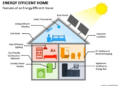

Exploring the realm of Inaugural Home Improvement Financing: Options for New Homeowners, this introduction sets the stage for an informative and engaging discussion that delves into the various aspects of financing options for new homeowners.
Detailing the significance and benefits of this type of financing, readers will gain a comprehensive understanding of how to navigate the world of home improvement financing effectively.
Overview of Inaugural Home Improvement Financing
Inaugural home improvement financing refers to the financial options available to new homeowners to renovate, repair, or upgrade their homes shortly after purchasing them. This type of financing is specifically designed to help new homeowners make necessary improvements to their properties, enhancing their living spaces and increasing the value of their investment.
Significance of Inaugural Home Improvement Financing
For new homeowners, inaugural home improvement financing plays a crucial role in allowing them to personalize and customize their homes according to their preferences and needs. It provides the financial means to address any immediate repairs or upgrades that may be required to make the property more comfortable and functional.
Benefits of Utilizing Inaugural Home Improvement Financing
- Increased Property Value: By investing in home improvements early on, new homeowners can enhance the overall value of their property, potentially leading to higher resale value in the future.
- Personalization: Home improvement financing allows homeowners to personalize their living spaces, making them more comfortable and reflective of their style and preferences.
- Energy Efficiency: Upgrading appliances, windows, or insulation through financing can lead to energy savings and a more environmentally friendly home.
- Peace of Mind: Addressing any necessary repairs or maintenance early on can prevent costly issues down the line, providing homeowners with peace of mind.
Types of Financing Options Available
When it comes to financing home improvement projects, new homeowners have a variety of options to choose from. These options can range from traditional loans to specialized home improvement loans, each with its own set of eligibility criteria.
Traditional Loans
Traditional loans, such as personal loans or home equity loans, are common options for financing home improvement projects. These loans typically have fixed interest rates and repayment terms, making them a predictable choice for many homeowners.
Specialized Home Improvement Loans
Specialized home improvement loans, like FHA 203(k) loans or energy-efficient mortgages, are designed specifically for funding renovation projects. These loans may come with flexible terms and requirements tailored to the needs of homeowners looking to improve their properties.
Eligibility Criteria
- For traditional loans, borrowers will need to have a good credit score and stable income to qualify.
- Specialized home improvement loans may have specific requirements related to the type of renovations being done, such as energy-efficient upgrades or structural improvements.
- Both types of loans may require a certain amount of equity in the home to be used as collateral.
Government Programs and Assistance

Government programs play a crucial role in supporting new homeowners with financing options for home improvements. These programs are often backed by the government and offer unique benefits compared to private financing options.
Government Grants and Subsidies
- One example of a government grant available to new homeowners is the Home Improvement Grants Program. This program provides financial assistance to eligible homeowners for making necessary repairs and upgrades to their homes.
- Another common form of assistance is through energy efficiency subsidies. These subsidies aim to incentivize homeowners to make energy-efficient upgrades to their homes, such as installing solar panels or energy-efficient appliances.
- Some government programs also offer low-interest loans specifically for home improvement projects. These loans typically have favorable terms and can help new homeowners afford necessary renovations without breaking the bank.
Considerations for Choosing the Right Financing
When it comes to home improvement projects, choosing the right financing option is crucial for new homeowners. It's essential to consider key factors, budgeting, and evaluating terms and conditions to make an informed decision.
Key Factors for Selecting Financing
Before committing to a financing option, new homeowners should consider the following factors:
- Interest Rates: Compare interest rates from different lenders to find the most competitive offer.
- Repayment Terms: Evaluate the repayment schedule and determine if it aligns with your financial goals.
- Fees and Charges: Be aware of any hidden fees or charges that may impact the overall cost of borrowing.
Importance of Budgeting and Planning
Proper budgeting and planning are essential for successful home improvement projects. It's crucial to:
- Set a Realistic Budget: Determine how much you can afford to borrow and repay comfortably.
- Prioritize Needs: Identify the most critical areas of improvement to allocate funds effectively.
- Plan for Contingencies: Factor in unexpected costs to avoid financial strain during the project.
Evaluating Terms and Conditions
When assessing financing offers, pay attention to the terms and conditions to make an informed decision:
- Read the Fine Print: Understand all clauses, penalties, and obligations stated in the agreement.
- Compare Offers: Don't settle for the first offer - compare multiple options to find the best fit for your needs.
- Seek Expert Advice: Consult with financial advisors or experts to clarify any doubts and make a well-informed choice.
Case Studies and Success Stories

In the realm of home improvement financing, real-life examples of new homeowners can shed light on the positive impact of utilizing various financing options. These success stories showcase how strategic decisions in financing can lead to not only enhancing living spaces but also increasing property value.
Case Study 1: The Smith Family
The Smith family, new homeowners, decided to renovate their outdated kitchen using a home improvement loan. By investing in this upgrade, they not only transformed their living space but also significantly boosted the overall value of their property. The modern kitchen became a focal point for potential buyers when they eventually decided to sell their home, resulting in a higher selling price than anticipated.
Case Study 2: The Johnsons' Energy-Efficient Upgrades
The Johnsons, a young couple, took advantage of government programs offering incentives for energy-efficient home improvements. By installing solar panels and upgrading their HVAC system, they not only reduced their monthly utility bills but also made their home more attractive to eco-conscious buyers in the future.
These strategic financing decisions not only improved their quality of life but also positioned their property as a desirable investment.
Closing Summary
In conclusion, this discussion on Inaugural Home Improvement Financing: Options for New Homeowners highlights the importance of strategic financial decisions and proper planning for enhancing living spaces and property values.
FAQ Insights
What is the eligibility criteria for accessing financing options?
Eligibility criteria typically include credit score, income level, and the value of the property being financed.
How do government-backed programs differ from private financing options?
Government programs often offer lower interest rates and more favorable terms compared to private financing options.
Can new homeowners apply for government grants or subsidies for home improvement projects?
Yes, there are various government grants and subsidies available to assist new homeowners with their home improvement projects.